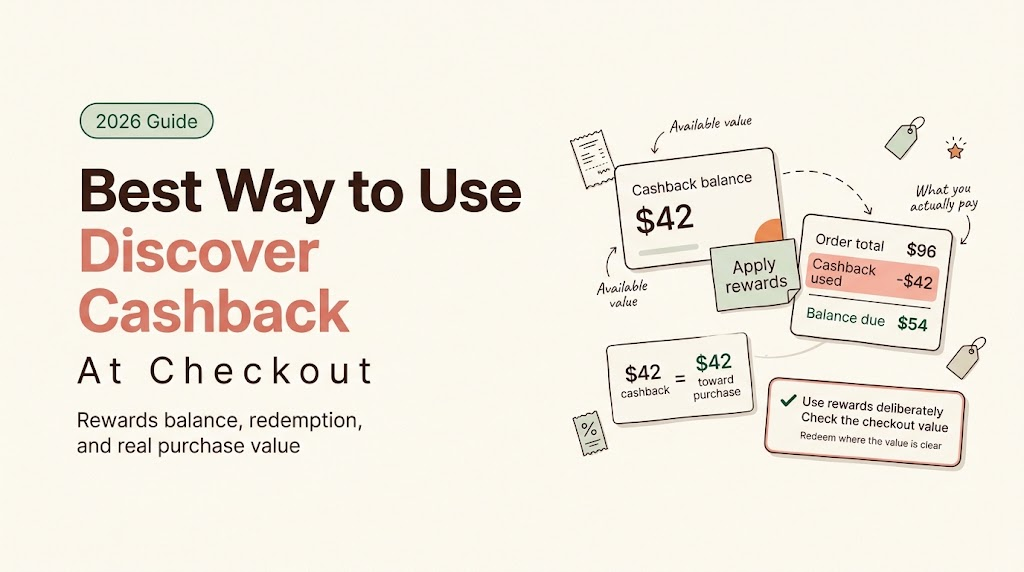
The best way to use Discover cashback is not the route with the loudest button. It is the route that still makes sense once the cart, reward balance, merchant terms, and return path are visible. I get the pull: your Cashback Bonus appears beside the total, and the order suddenly feels lighter. But that balance is value you already earned. Before spending it, ask: does this make the real cost clearer?
Know What Discover Cashback Represents
Discover Cashback Bonus is a rewards balance tied to your card account. It is not the same thing as a retailer coupon, a sale price, or a merchant-funded discount.
A confirmed discount lowers the merchant price before payment. A statement credit may reduce what you owe on the card account later. A merchant checkout redemption can reduce today’s amount due, but it also uses rewards that might have been redeemed another way. Expected rewards from the purchase are different again, because they depend on category rules, merchant coding, posting date, returns, and account status.
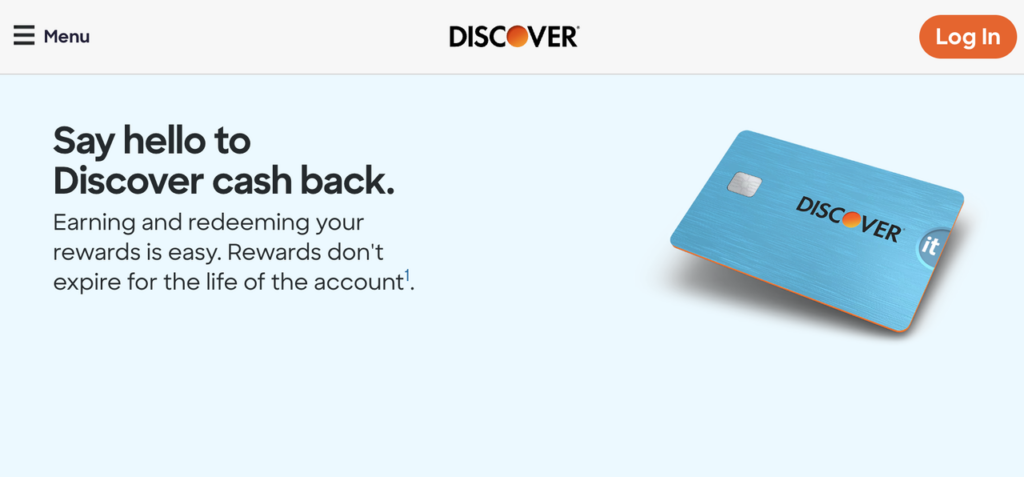
Discover’s Cashback Bonus summary says eligible cardmembers can earn cash back, activate quarterly 5% categories up to a quarterly maximum, and redeem flexibly, including toward a balance or gift cards subject to details and availability. That makes the card reward value real, but not identical across every checkout route.
Keep the buckets separate: earned Discover cashback is stored value, future rewards are an estimate, and a store discount is a price cut. Mixing them too quickly is how a normal cart starts looking better than it is.
Compare Redemption Routes Before Checkout
Before using rewards, compare the route you are choosing with the route you are giving up. This is a guardrail against spending rewards just because the option appears on screen.
A statement credit or account payment keeps the merchant order simple. A bank deposit, when available, keeps rewards outside the retailer’s return process. A gift card or eCertificate may be useful when the brand, minimum redemption, and terms match a purchase you already planned. A merchant or wallet redemption can lower the charge today, but only if the account, merchant, and item qualify.
Statement credit, gift card, merchant, and payment options
For Discover cash back redemption, start inside your Discover account or the current official Discover rewards pages. Do not rely on an old blog post, a friend’s screenshot, or a search result that names a merchant without showing today’s terms.
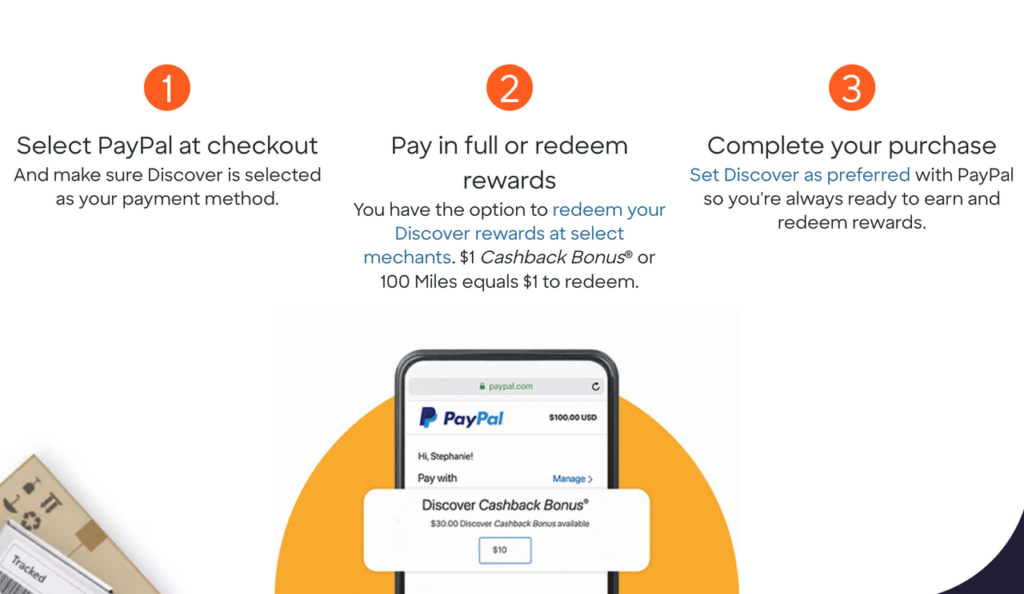
Discover’s PayPal rewards page says eligible users can redeem Discover rewards with PayPal at select merchants, with $1 Cashback Bonus equal to $1 at checkout. That is clear value, but it still requires the Discover card to be linked, the merchant to support the route, and the transaction to finish under the applicable terms.
Amazon has its own official Pay with Rewards terms. Those terms say rewards may be used for eligible online orders, but some item types may not qualify and eligibility can change. If an order is partly paid with rewards and partly with another method, refunds may follow the retailer’s process.
Reward timing, returns, and account rules
Timing can change how confident you should be. Discover’s member benefits page notes that some online purchases may use the date an item ships as the merchant transaction date, and that rewards can be added within two billing periods. It also notes that merchant category codes matter and that third-party payment accounts or digital wallets may not provide enough detail for certain bonus-category rewards.
That is why a cart sitting open for two days is not the same as a completed purchase. A merchant offer can expire. A category period can end. A delayed shipment can shift the transaction date. A return can reduce net purchases and change earned rewards.
If you are comparing Discover cashback at checkout, ask three questions before paying: Does this route use rewards I already earned? Does it create expected rewards from this purchase? If the order is canceled, returned, split-shipped, or substituted, where will the money and rewards go?
Avoid Treating Rewards Like Guaranteed Discounts
Rewards can make a purchase feel easier. They should not make the accounting sloppy.
A confirmed discount is visible in the merchant cart before payment. A conditional merchant offer depends on rules such as product category, minimum spend, checkout route, or activation. An estimated reward is not final until the transaction qualifies and posts. A delayed payout is not the same as money off today.
This matters because credit card rewards checkout often appears beside coupons, sale prices, shipping messages, and wallet buttons. It is tempting to stack every number in your head and call the result savings. Slow down. If a $20 reward balance is spent at checkout, the charge may drop by $20, but you also no longer have that $20 reward balance for a statement credit, deposit, gift card, or later purchase.
Make the Final Payment Decision Yourself
Use Discover rewards at checkout when the route is official, the value is understandable, the item qualifies, and the return process will not create confusion you care about. Leave rewards unused when you want a cleaner receipt, expect a possible return, or prefer another redemption route.
This is not personalized financial advice, and it is not a reason to apply for a card or buy more than planned. It is a checkout habit for people who already have Discover and want a clearer decision.
Before paying, save the offer page, activation status if relevant, cart total, selected payment method, reward amount used, and order confirmation. For wallet checkout, keep proof that Discover was selected and that the merchant order completed. The deal is not real until it survives checkout, and reward records are part of that reality.
FAQ
Do rotating categories require activation before the purchase is made?
Yes, if your card participates in rotating categories and you want the advertised quarterly category rate. Discover says eligible cardmembers must activate each quarter to earn 5% Cashback Bonus in the listed categories up to the quarterly maximum. If you have not activated, count only the base earning you can verify.
Can a merchant offer expire while items sit in cart?
Yes. A saved cart is not a completed transaction. Offer dates, merchant transaction dates, and shipping dates can affect eligibility. If the offer matters, refresh the official terms and checkout total before paying.
Which official Discover page confirms current redemption rules today?
Start with Discover’s Cashback Bonus summary, then check the route-specific page for PayPal, Amazon, gift cards, or your logged-in redemption center. The more specific terms should guide the checkout decision.
Can PayPal checkout change Discover merchant-offer tracking evidence?
It can change the proof trail. PayPal may still be an eligible route, but the charge path, merchant name, and transaction details may differ from a direct card checkout. Keep confirmations showing PayPal, Discover, the reward amount, and the merchant order number.
What if a store declines a card-linked offer?
Treat the offer as unavailable for that order unless the official support path resolves it before payment. Do not count the reward in the final cost. Save the offer terms, activation record, card used, merchant name, order date, and checkout result.
Conclusion
The best way to use Discover cashback is to treat rewards like real value, not a magic eraser on the total. Separate the confirmed price from expected rewards. Check the official route before relying on PayPal, Amazon, gift cards, or a statement credit. Then make the payment decision yourself, with the checkout total and the return trail in plain view.
Related posts: